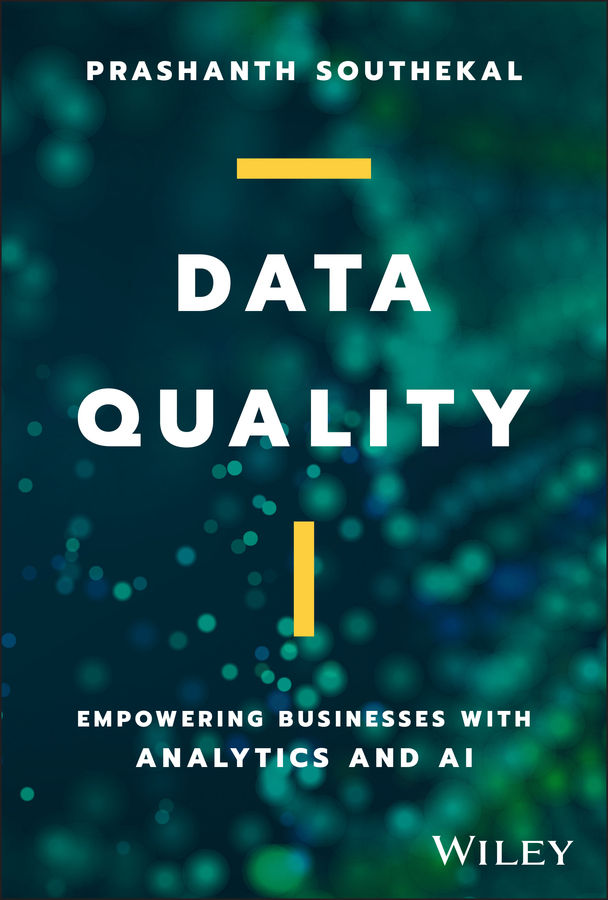
Highlights
- Quality is fitness for purpose, and purpose lives in the model — Southekal grounds data quality in business use rather than abstract perfection; you can only state "fit for purpose" as testable rules once the model defines what the data is supposed to mean.
- Dimensions turn a vague complaint into a rule catalog — completeness, accuracy, consistency, timeliness and their kin decompose "bad data" into measurable checks; each dimension is effectively a rule template, which is why DQ is the most mature corner of the forgotten rules pillar.
- Prevention at the source beats downstream cleansing — fixing capture processes outperforms scrubbing after the fact; the same logic as generating pipelines from a correct model rather than patching hand-built ones forever.
- Data quality is a business problem wearing a technical costume — the cost of poor data lands in decisions, trust, and rework, not in the database; the argument that gets a rules layer funded when "metadata" never would.
- Measure before you remediate — Southekal insists on baselining quality with metrics before improvement projects start; structure (a measurement framework) beats the magic of a one-off cleanup that silently regresses.
- AI raises the stakes on quality — models trained or grounded on ungoverned data industrialize its defects; data + AI without the rules pillar is precisely the missing-system failure mode.
Highlights on this page are generated with the help of AI.